

2026.08.26
- Biotechnology
One of our products is a machine called a shaking incubator (bio shaker). A shaking incubator is a machine used to shake and cultivate biological materials. But what exactly does it cultivate? The answer is microorganisms. Some people may wonder, “What are microorganisms? Are they germs?” The word microorganism literally means a micro + organism, that is, a living thing that is extremely small.
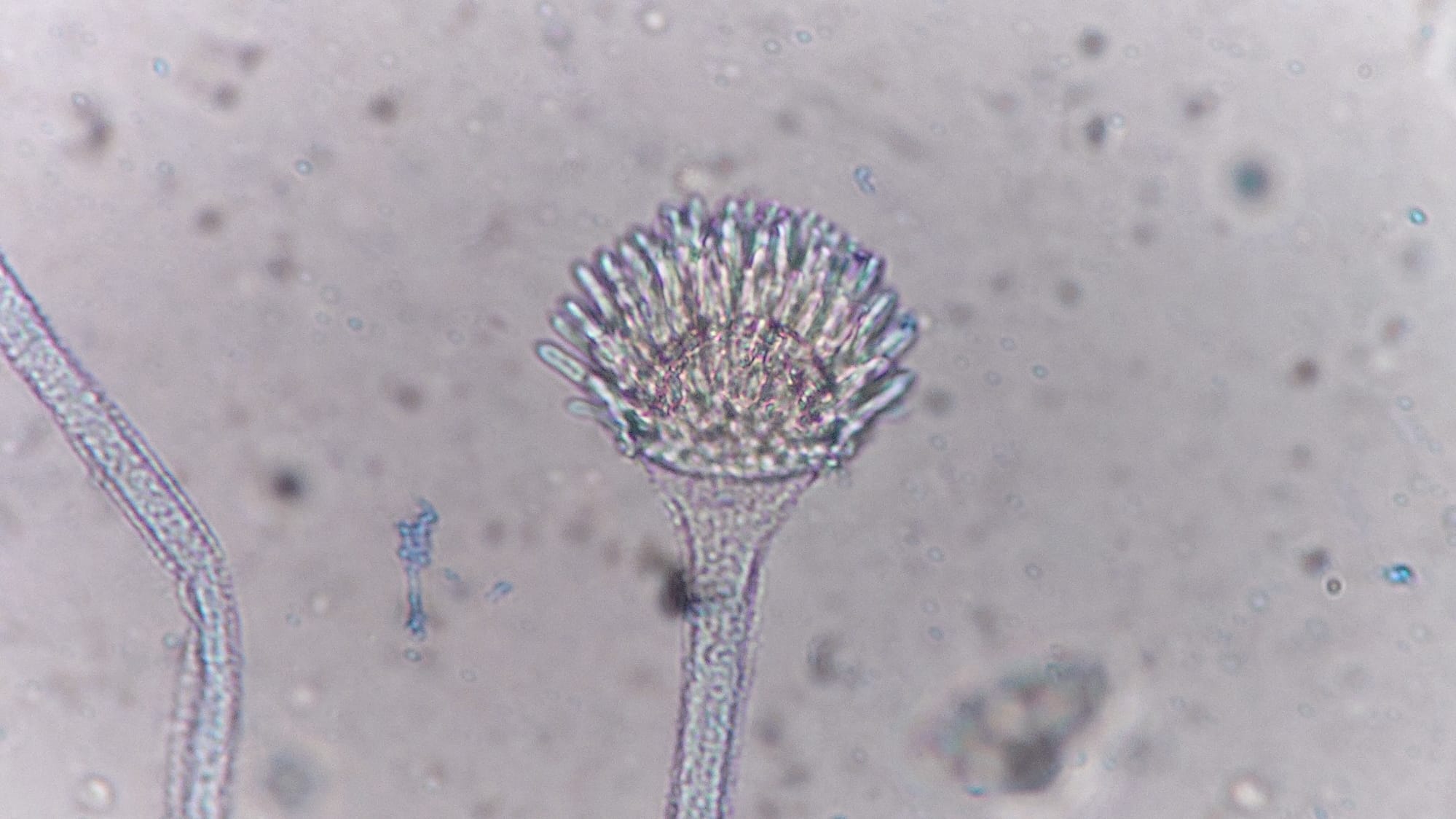
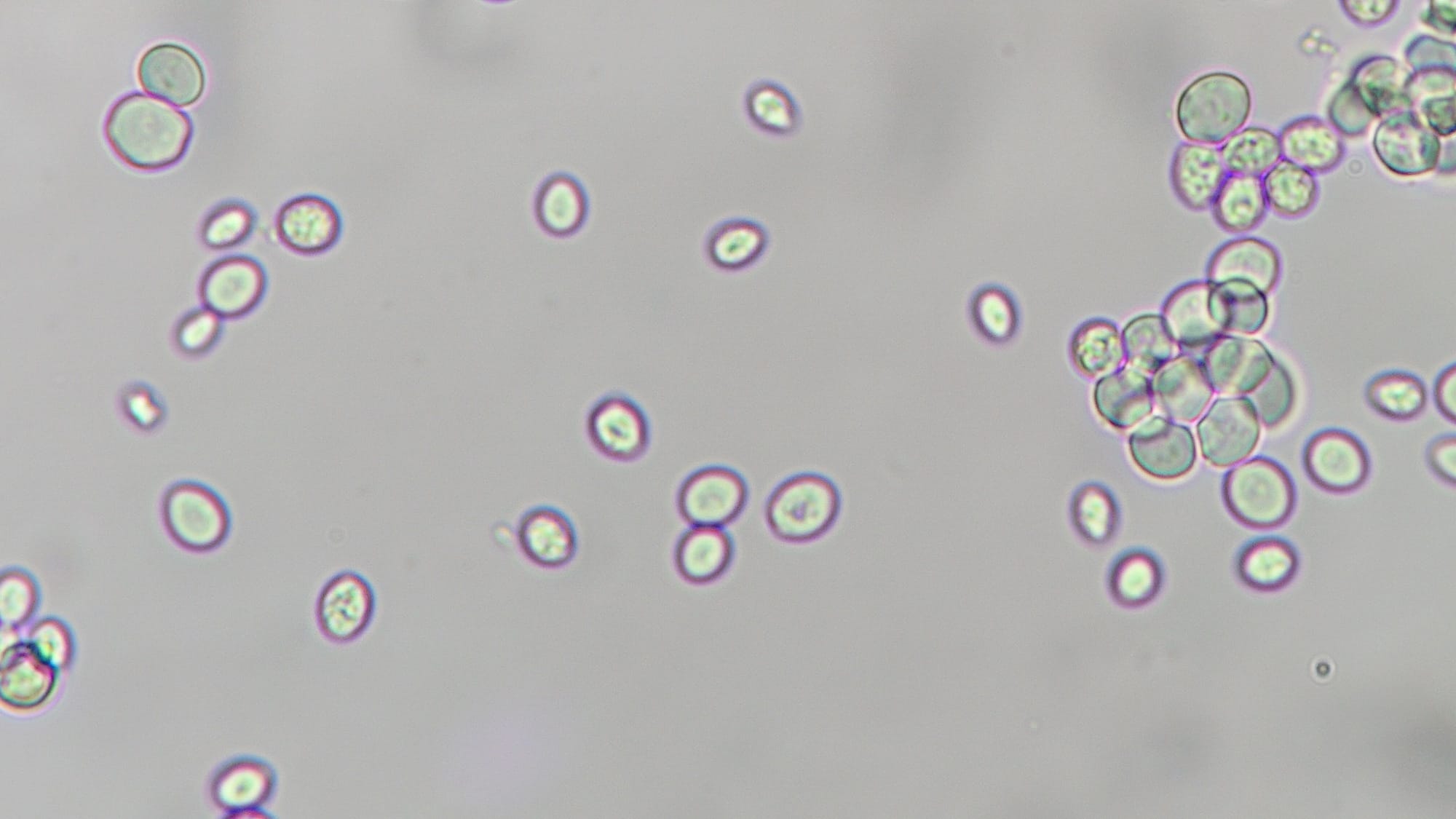
The “Micro” in Microorganism
A microorganism is a collective term for microscopic living things. More precisely, it refers to living organisms so small that they cannot be seen with the naked eye. In general, the limit of observation with the naked eye is about 0.1mm (100μm), roughly the thickness of a human hair (and perhaps even larger as we get older). A familiar microorganism, baker’s yeast (commonly known as yeast; scientific name Saccharomyces cerevisiae), is approximately 10 to 20μm in length, making it about one-tenth the thickness of a human hair.
The “Organism” in Microorganism
Next, what exactly is an organism? Human beings are organisms, yet surprisingly few of us fully understand what defines life. Organisms possess the following four characteristics:
Characteristic 1: They are composed of cells.
Characteristic 2: They synthesize and break down various substances within their cells (they possess metabolic functions).
Characteristic 3: They maintain a stable internal environment within their cells (homeostasis).
Characteristic 4: They can produce cells or individuals carrying the same genetic information as themselves (self-replication).
In the 17th century, the English natural philosopher Robert Hooke observed cork under a microscope and discovered structures resembling tiny rooms. He named these structures cells and proposed that living things are made of cells. Today, it is believed that life began when membrane-enclosed structures first formed. The membrane separates the inside from the outside world, concentrates substances, and regulates the movement of materials across it. Since the emergence of life, increasingly complex reactions are thought to have developed within these membrane-bound structures, eventually giving rise to the diverse forms of life we see today. However, the details of this process remain largely unknown.
Within cells are many different proteins. Those responsible for metabolic functions are called enzymes. For enzymes to function properly, intracellular conditions such as temperature, pH, and salt concentration must remain within certain ranges. Then there is self-replication, perhaps the most important and unique characteristic of living organisms. An organism’s blueprint, or genetic information, is stored in molecules known as nucleic acids. Organisms can use this genetic information to create copies of themselves. Living things gradually deteriorate and break down over time. By periodically reproducing themselves, they appear to be pursuing the long-term preservation of their genetic information.
Things That Seem Like Microorganisms
As described above, organisms that are smaller than the thickness of a human hair and possess all four characteristics listed above are considered microorganisms. However, there are always exceptions and look-alikes. Some entities appear to be microorganisms but do not fully qualify. The most notable example is viruses. Viruses are certainly small and possess structures resembling cells. They also contain nucleic acids, which carry genetic information. However, they possess only a few enzymes related to metabolic functions, far too few to sustain independent life. Essentially, they are little more than capsules packed with genetic material. When viruses replicate, they take over the cells of other organisms, effectively hijacking them. Naturally, viruses also show no sign of maintaining homeostasis. In some cases, after completing replication, they even destroy the cells they have hijacked. The question “Are viruses alive?” continues to be debated among researchers. Some even describe them as “semi-living entities.” Defining life, or what constitutes a living organism, is an extraordinarily difficult task.
In the next column, we will explore “What kinds of microorganisms are there?” In fact, we live surrounded by microorganisms. More accurately, we could not maintain a healthy life without them.
Toshiya Shigeno / Hayato Kato